Don't Miss The World's #1 Executive Networking Event"

Cannabis Investors Want Cash Flow, Not Growth-At-All-Costs, Says New Holland Founder
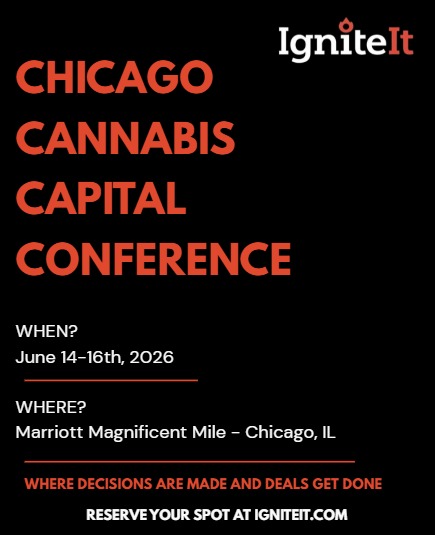
IgniteIt’s Cannabis Capital Conference returns to Chicago on June 15–16, bringing together operators, investors, advisors, and policymakers for two days of conversations about where capital is flowing and how cannabis businesses are preparing for the industry’s next chapter.
Among the executives joining the event is Jamie Pearson, president of New Holland Group, an advisory and investment firm that works across cannabis, hemp, psychedelics, and emerging regulated markets. As dealmaking evolves and investors become increasingly selective, Pearson sees a market that is rewarding operational discipline over growth narratives.
Capital Discipline Is Reshaping Cannabis M&A
The cannabis industry has entered a different phase than the one that defined much of the last decade.
According to Pearson, investors and buyers are increasingly focused on fundamentals, prioritizing businesses with proven cash flow, sustainable operations, and cleaner corporate structures.
“Capital discipline has arrived,” Pearson said. “Buyers and investors want proven cash flow and clean cap tables. The era of growth-at-all-costs is over.”
That shift is also changing how transactions are structured.
Rather than straightforward acquisitions, Pearson says the market is seeing more deals built around risk-sharing mechanisms, including earn-outs, seller-financing hybrids, interim payouts, and phased acquisition structures designed to protect both buyers and sellers in an uncertain environment.
At the same time, she sees international activity becoming a more important part of the conversation.
“International deals are gaining traction too, particularly in Europe, where regulatory frameworks are maturing, and good operators with compliant supply chains are no longer rare,” Pearson said. “EU market M&A is on fire and fast becoming normal growth and operational strategy.”
Where Investors Are Finding Opportunity
While capital remains selective, Pearson believes opportunities continue to exist for investors willing to look beyond the most obvious segments of the industry.
“The best opportunities right now are in infrastructure and adjacencies,” she said.
Ancillary businesses serving cannabis operators remain attractive because many have diversified revenue streams while maintaining specialized expertise that is difficult to replicate.

On the plant-touching side, Pearson points to profitable multi-jurisdictional operators as a category attracting continued interest from long-term investors.
Europe also remains high on her list.
“Germany’s medical market is active, other EU countries are moving, and the supply gap is real,” she said. “Investors who understand the regulatory landscape there have a window to build moats for their portfolio companies.”
As more European markets mature and medical cannabis adoption expands, Pearson expects the region to remain a growing focus for both operators and investors looking beyond North America.
Why Chicago Matters Right Now
For Pearson, the value of the Chicago Cannabis Capital Conference comes from bringing together the people actively navigating these changes.
She plans to focus her conversations on how operators are preparing for potential federal developments and regulatory shifts that could reshape parts of the industry over the next year.
“I want to talk with operators about how they are positioning for federal movement,” Pearson said.
Among the issues she is watching most closely are upcoming hemp-related federal deadlines and regulatory developments that could affect product categories ranging from beverages to genetics.
“The November 2026 federal container limit will reshape the beverage and wellness space, and the seed/clone ban is being worked on from many angles,” she said. “These are live issues with real consequences for New Holland clients, and IgniteIt Chicago is the right room to work through them.”
For investors, operators, and advisors trying to understand where cannabis capital markets are headed next, those conversations may prove just as important as the deals themselves.
As the industry continues moving toward a more disciplined and institutional future, Chicago will provide a venue for the people building that future to compare notes, challenge assumptions, and identify the opportunities emerging on the other side of today’s regulatory and capital constraints.

Nicolas Jose Rodriguez
June 5, 2026 • 8:25 am