IgniteIt · Cannabis Capital ConferenceMIAMI 2027March 24–26 · The Diplomat Beach Resort, Hollywood FL

“I Don’t Think a Lounge Would Be Self-Sustaining”: The Economics Behind Cannabis Hospitality

Cannabis consumption lounges have become an increasingly visible part of California’s retail market, but making them profitable is another matter. For The Artist Tree, a dispensary operator known for combining cannabis sales with art exhibitions and community events, the experience has challenged some early assumptions about what customers are willing to pay.
The California-based company operates consumption lounges at two of its locations and has continued expanding its retail business, recently opening its first New York dispensary in Farmingdale, Long Island, with another store under construction upstate.
That growth has come without institutional financing or borrowing to fund its stores. Instead, The Artist Tree has relied on reinvested earnings and capital from friends, family, and operating partners. Along the way, the company has had to rethink everything from expensive leases and lounge pricing to discounting strategies and the costs of entering new markets.
In an interview with IgniteIt, cofounder and chief compliance officer Lauren Fontein discussed those lessons and how they are shaping the company’s expansion plans. She credits the company’s position partly to its distinctive customer experience and the purchasing advantages that come with operating multiple stores, including the ability to negotiate better terms with vendors.
California Results Depend On The Local Market
Fontein described an uneven California market, with declining traffic and sales in Los Angeles and West Hollywood over the past couple of years. She attributed the pressure to additional licensed competitors, persistent unlicensed stores, and broader economic conditions affecting consumer spending.
In the Fresno and Orange County markets, she said, more aggressive enforcement against illegal operators and limits on licensed stores have helped support growth. Older consumers and people exploring cannabis for health-related reasons also present opportunities to attract new customers.
Taxes remain a major obstacle. Fontein said the combined burden of state and local cannabis taxes can push consumers toward unlicensed sellers or reduce how much they purchase legally. In Los Angeles, she would prioritize reducing the city’s cannabis business tax when asked about reforms to support the lagging industry.
The Artist Tree has responded to spending pressure with bundles, add-on purchases, and loyalty programs. Average order values vary by location, ranging from about $60 at some stores to $80 at others, Fontein said. Demand for premium products remains, but the company also offers options for shoppers with tighter budgets.

Discounting requires particular care.
“You might think you’re, you know, you’re winning over customers because you’re selling a product for cheaper than the person next door. But you’re actually just making less money, so your margins are worse,” she said. “So at the end of the day, you’re not ahead.”
Vendor support helps offset some promotional costs. The purchasing team also tracks inventory and sell-through, adjusts selections to local preferences, and considers customer requests when evaluating new products.
The art programming serves a different purpose. Fontein said that customer feedback and event attendance suggest the exhibitions help attract visitors and encourage return trips, although the company does not directly measure its financial return. Supporting artists is also part of the company’s identity, she said, making ROI largely irrelevant to the business model.
Rent And Lounges Bring Hard Lessons
Fontein also shared some of the challenges The Artist Tree has faced as it has grown, from high occupancy costs to the economics of cannabis lounges. Those experiences have led the company to renegotiate expenses and adjust its approach at newer locations.
At West Hollywood, an expensive lease signed in 2018 became a significant operating burden.
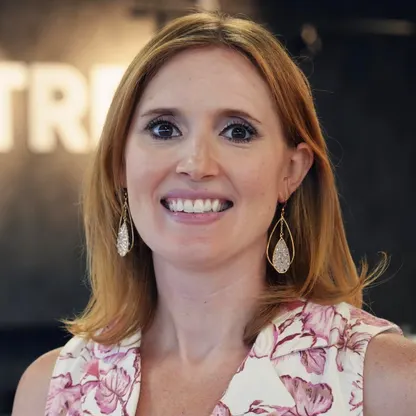
“People were so bullish on the cannabis market that landlords were asking for these huge premiums in rent,” Fontein said.
The company secured a substantial rent reduction a couple of years ago, she said. The experience made the team more selective about properties and more attentive to the fixed costs a new store would carry.
Labor requires a different balancing act. The Artist Tree tracks labor costs per transaction and adjusts staffing when traffic declines, but its model relies on employees assisting customers on the sales floor. Fontein said the company maintains more staffing per customer than many competitors to preserve that service.
Its lounges brought another set of lessons. The original West Hollywood plan envisioned a full hospitality experience, with customers potentially paying a premium for cannabis as they would for alcohol at a bar. Customers resisted both cover charges and higher product prices, Fontein said.
The company abandoned separate lounge pricing. Restaurant partnerships also proved difficult to sustain when food-service partners closed or could no longer provide service.
“Lesson learned was I don’t think a lounge would be self-sustaining,” Fontein said, explaining that an adjacent retail shop is necessary to support the business.
When developing Hawthorne, the company spent less on lounge furnishings and construction. Fontein said the lounge remains a useful amenity, particularly for travelers near Los Angeles International Airport, but retail is the primary sales driver of the location.
Taking The Model To New York
The Artist Tree’s first New York store opened in Farmingdale the day before the interview, Fontein said, marking the company’s first operating location outside California. A second New York store is under construction upstate.
The expansion extends the financing approach the company used to build its California business.

“We chose to do it through self-financing, so basically taking the money that we made from the first store to help build out the second store, and so on and so on,” Fontein said.
Friends, family, and operating partners have also invested, with some returning for subsequent locations. That approach has helped the original ownership team retain substantial ownership, she said.
At a successful location, the goal is to return the initial capital investment within a couple of years, although some stores take longer. Predicting performance remains difficult even with experience across multiple markets.
Hawthorne has exceeded expectations, Fontein said. Oxnard has been more challenging, with competition and lower customer spending contributing to disappointing results. Those differences reinforce the need to assess local demand and potential licensing in neighboring communities before committing capital.
The company continues to consider acquisitions and California cities that may be open to cannabis retail. Fontein expects consolidation to continue, but said The Artist Tree wants to preserve its boutique character as it grows.
“We are being selective about specific locations and markets,” she said.
The challenges facing cannabis retailers in California, from profitability and operating costs to expansion strategies, were among the topics explored at IgniteIt’s recent California Market Spotlight. Next, the conversation moves to Washington, D.C., where industry executives, investors, and policymakers will gather for the Cannabis Capital & Policy Summit on November 18, 2026. Join us as we examine the financial, regulatory, and strategic decisions shaping the next chapter of the cannabis industry.

A.J. Herrington
October 27, 2026Cannabis journalist whose reporting on policy, business, science and culture has appeared in Forbes, High Times, Cannabis Now and HEMP.