IgniteIt · Cannabis Capital ConferenceMIAMI 2027March 24–26 · The Diplomat Beach Resort, Hollywood FL

California Bill Could Wipe Out Most Cannabis Beverages, Industry Warns

California’s cannabis beverage sector, one of the few bright spots in an otherwise contracting market, is bracing for a major setback as lawmakers consider Assembly Bill 2532. The proposal would cap THC beverage potency at 10 milligrams per serving, a limit that opponents say would effectively wipe out the category and undermine the state’s already fragile regulated market.
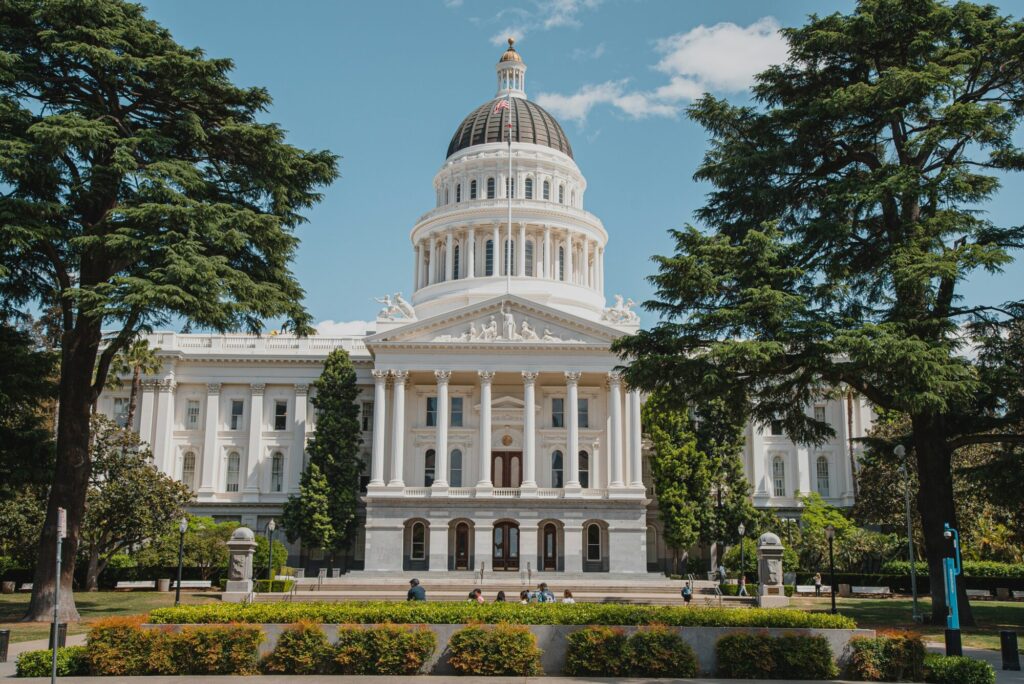
In a letter submitted to lawmakers, a coalition of beverage manufacturers, distributors, and retailers warned that the bill would “eliminate more than 90 percent of the legal cannabis beverage market in California.”
Read the full opposition letter below.
AB 2532 Opponents Cite Potential Impact on California’s Cannabis Economy
Hirsh Jain, founder of the consultancy Ananda Strategy, said the impact would be immediate and severe.
“Ninety‑three percent of beverage sales in California are for beverages that have more than 10 milligrams,” Jain told IgniteIt in an online interview. “Consumers do not seem to be interested in these lower dose product formats … and the impact would be significant for operators across the supply chain.”
Although beverages represent only about 2% of total cannabis sales in the state, Jain noted that the category plays an outsized role in supporting legal retail. Beverages are one of the few segments to have grown while the broader market contracted by roughly 25% over the past five years.
They also draw consumers into licensed stores because the products are difficult to replicate in the illicit market.
“This is a product that uniquely draws consumers into legal dispensaries,” Jain said. “Even though it comprises only 2 percent of sales, I think it contributes even more than that to share in the legal cannabis economy.”
Some Consumers Prefer Cannabis Drinks
Retailers say they see that dynamic every day. Adriana Hemans, marketing director at California licensed dispensary chain The Artist Tree, said beverages fill a specific need for many customers who want a familiar, predictable alternative to inhaled products.
“For a lot of people, beverages are the preferred alternative to smoking or vaping, and higher-dose 100-milligram drinks make more sense,” she said in an emailed statement. Hemans added that many customers buy a single high-dose beverage and portion it out over time in a way that works for them, which makes the format more flexible and cost‑effective.
Better Ways to Prevent Over-Consumption
Opponents of AB 2532 argue that if lawmakers are concerned about accidental overconsumption, there are more effective tools than a potency cap. Jain said beverage companies are prepared to support clearer dosing instructions, stronger labeling, and other consumer education measures.

“Better dosing and labeling guidelines would be much more effective,” he said. “The legislature is trying to prevent overconsumption, but their proposal would basically mean that this product cannot be sold in dispensaries at all.”
Would a THC Cap on Beverages Cool Investment in the Cannabis Industry?
Industry groups also warn that the bill could cool investment at a time when the legal market is already struggling. Jain said the idea that lawmakers could eliminate an entire product category with a single bill sends a troubling signal to operators and investors who have weathered years of declining sales, high taxes, and persistent competition from the illicit market.
“If the California legislature can just come in with one bill and eliminate a product category entirely, then it will chill investment in the legal California cannabis market,” he said. “Investors will feel that even if they have identified an effective product, it could at any point be jeopardized by the legislature.”
Beyond the economic concerns, beverage companies say the products offer a familiar, predictable alternative for people looking to reduce alcohol consumption. The opposition letter notes that cannabis beverages have become a harm reduction tool for many consumers, a point Jain echoed in the interview.
As the bill moves through the Legislature, the debate is shaping up as a test of how California balances public health concerns with the realities of a regulated market that continues to lose ground to unlicensed operators. For beverage makers and retailers, the stakes are clear. A potency cap may sound like a modest adjustment, but for a category built around higher dose formats, it could amount to an extinction event.
The California Assembly’s Committee on Business and Professions will consider AB 2532 at a hearing scheduled for April 14.

A.J. Herrington
April 9, 2026Cannabis journalist whose reporting on policy, business, science and culture has appeared in Forbes, High Times, Cannabis Now and HEMP.