IgniteIt · Cannabis Capital ConferenceMIAMI 2027March 24–26 · The Diplomat Beach Resort, Hollywood FL

Texas Hemp Market Faces Major Shakeup as New Rules Hit at Midnight

Texas hemp businesses are bracing for a major shock at midnight, when sweeping new restrictions take effect that will eliminate smokable hemp products, raise licensing fees to unprecedented levels, and force operators to navigate a regulatory landscape many say is designed to push them out of the market.
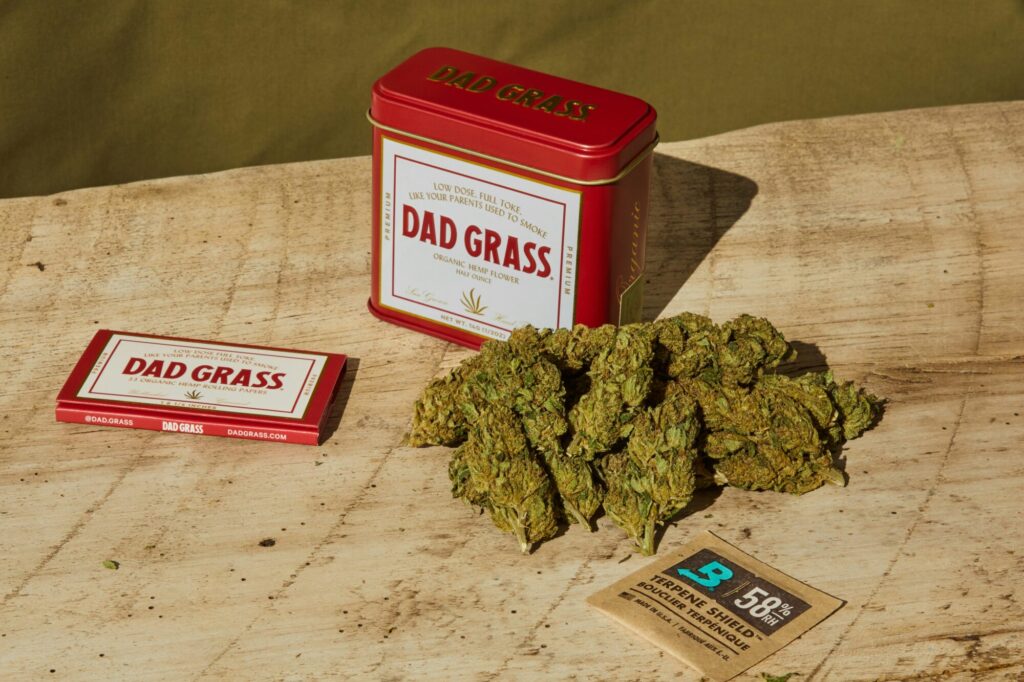
The rules, issued by the Texas Department of State Health Services, ban intoxicating smokable hemp products such as THCA flower and pre‑rolled joints, which make up more than half of some retailers’ inventory. They also raise licensing fees for manufacturers from $258 to $10,000 per facility and increase retail registration fees from $155 to $5,000. Industry members say the combined effect will amount to a de facto ban, even though lawmakers failed to pass one outright last year.
Lukas Gilkey, CEO of Hometown Hero, told The Texas Tribune that regulators achieved through rulemaking what lawmakers could not.
“They did a ban with their own regulatory scheme,” he said. He added that the rules will “eliminate a lot of products that are fully legal and fully fine and not harmed anyone.”
The state’s justification centers on youth access and concerns about high‑THC products slipping through the hemp loophole. Lawmakers legalized hemp in 2019 with a 0.3% Delta‑9 THC cap, but manufacturers quickly turned to THCA flower, which remains compliant until heated. Under the new rules, labs must measure total THC, effectively ending the THCA category in Texas.
Edibles and Beverages Still Allowed
Retailers will still be allowed to sell edibles and beverages, which fall under different oversight, but the loss of smokable products is expected to hit small and rural operators hardest. Many of these businesses lack the staff or capital to absorb the new compliance requirements, which include expanded testing, recordkeeping, and packaging standards.
Cynthia Cabrera, president of the Texas Hemp Business Council, said the economic stakes are far larger than state officials acknowledge. She noted in a written statement to IgniteIt that the state’s hemp sector supports thousands of businesses and tens of thousands of jobs, generating well over $10 billion annually. She warned that the new rules will “reduce, reshape and marginalize in‑state operators to the benefit of out‑of‑state businesses,” particularly as excessive licensing fees and product restrictions force smaller companies to close or relocate.
Cabrera added that the rules risk shrinking the legal market, limiting consumer choice, reducing tax revenue, and pushing activity into unregulated channels that raise safety concerns.
“We are evaluating all legal options and are continuing to engage with state leaders,” she said, adding that the dispute may ultimately need to be resolved in court. She pointed to Governor Greg Abbott’s veto of a similar legislative ban last year, which cited concerns about access and legal risk, as evidence that the issue remains unsettled.
Lawsuits on the Horizon
Advocates expect litigation to begin quickly. Multiple hemp businesses have already signaled plans to challenge the rules, continuing a years‑long fight over the state’s interpretation of hemp law. Gilkey said the battle began in 2021 when regulators attempted to outlaw Delta‑8 THC, a move that remains tied up in the courts.
For now, consumers will not face penalties for possessing smokable hemp after the deadline, though attorneys warn that confusion among law enforcement could lead to improper arrests. Retailers, however, must clear their shelves by midnight or risk fines of up to $10,000 per day and potential license revocation.
As the clock runs down, Texas’ hemp industry is preparing for a new era defined less by innovation and more by survival. Whether the courts intervene or the market adapts, the next phase of the state’s hemp experiment begins tonight.

A.J. Herrington
March 30, 2026Cannabis journalist whose reporting on policy, business, science and culture has appeared in Forbes, High Times, Cannabis Now and HEMP.