IgniteIt · Cannabis Capital ConferenceMIAMI 2027March 24–26 · The Diplomat Beach Resort, Hollywood FL

- News •
- 3 min read
Missouri Launches Major Enforcement Push Against Unregulated Cannabis Sellers

Missouri Attorney General Catherine Hanaway escalated the state’s fight against unregulated intoxicating hemp products this week, issuing 33 cease-and-desist letters to retailers accused of selling adulterated, deceptively labeled cannabis products outside Missouri’s constitutional framework. The action targets shops in the St. Louis, Kansas City, and Springfield areas, many of which market intoxicating hemp-derived products as “cannabis” or “marijuana” despite operating with no license and no oversight.
Hanaway framed the issue in stark terms, warning that “a storefront and a sales counter do not magically convert an illegal drug operation into a legitimate business,” and pledging to use the full authority of her office to hold violators accountable.
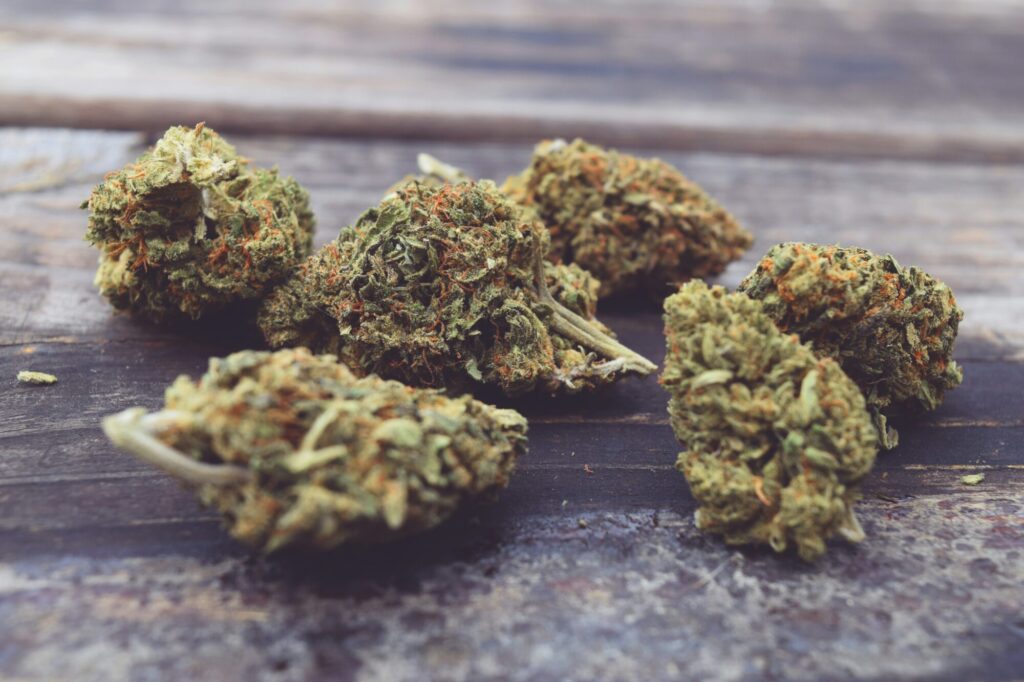
Lab Tests Found Heavy Metals, Solvents, and Illegal THC Levels
According to the attorney general’s office, lab testing confirmed that many of the targeted businesses sold products containing lead, arsenic, mercury, ethanol, pesticides, solvents, and other unknown byproducts. These contaminants would never pass Missouri’s regulated cannabis testing requirements.
In at least one case, testing of delta-9 THC products showed concentrations above the 0.3% federal hemp threshold, meaning the items were legally marijuana and could not be sold without a state license. The cease-and-desist letter also cited deceptive marketing, including labeling products as “weed” and “cannabis” to mislead consumers into believing they were shopping at a licensed dispensary.
The attorney general’s office says the businesses violated the Missouri Merchandising Practices Act by selling adulterated products, using packaging that targets children, and presenting intoxicating hemp as regulated marijuana.
Missouri’s crackdown mirrors a national trend as states confront the proliferation of intoxicating hemp products such as THCA flower, delta-8, delta-10, and other synthetics that fall outside traditional marijuana laws but are widely sold in smoke shops and convenience stores. Regulators argue that these products often bypass testing, age-gating, and tracking requirements that licensed cannabis operators must follow.
Industry Reaction: ‘This Is Exactly What Happens When Two Systems Operate in Parallel’
David Craig, vice president of marketing for Missouri-based MSO Illicit, said the attorney general’s action underscores what licensed operators have been warning about for years.
“Missouri’s regulated cannabis market was built to ensure product safety, accurate labeling, and accountability from seed to sale,” he told IgniteIt in a statement about the attorney general’s action. “What we’re seeing now is exactly what happens when unregulated or loosely regulated hemp-derived products are allowed to operate in parallel.”
Craig added that the enforcement action highlights a fundamental policy choice.
“Consumers are being exposed to mislabeled and potentially unsafe products, while licensed operators are held to rigorous standards that others simply bypass,” he explained. “If policymakers are serious about protecting public health, the solution isn’t more confusion; it’s enforcing a single, clear regulatory framework where all intoxicating products are subject to the same testing, labeling, and tracking requirements.”
What Comes Next
Hanaway’s office signaled that further enforcement is likely, noting that the cease-and-desist letters are only the first step. The attorney general has the authority to pursue civil penalties, injunctions, and additional actions under the Merchandising Practices Act.
For Missouri’s licensed cannabis industry, the crackdown represents a long-awaited acknowledgment that intoxicating hemp products have created a shadow marketplace with none of the safeguards voters expected when they approved legalization.
And for consumers, the message is blunt: not every storefront selling “cannabis” is operating under Missouri law, and the difference can be measured in heavy metals, mislabeled THC, and the absence of any meaningful oversight.
Photo by Canvast Supply Co. on Unsplash

A.J. Herrington
March 27, 2026Cannabis journalist whose reporting on policy, business, science and culture has appeared in Forbes, High Times, Cannabis Now and HEMP.