IgniteIt · Cannabis Capital ConferenceMIAMI 2027March 24–26 · The Diplomat Beach Resort, Hollywood FL

Lawmakers Renew Effort To Boost Cannabis Capital Access With CLIMB Act

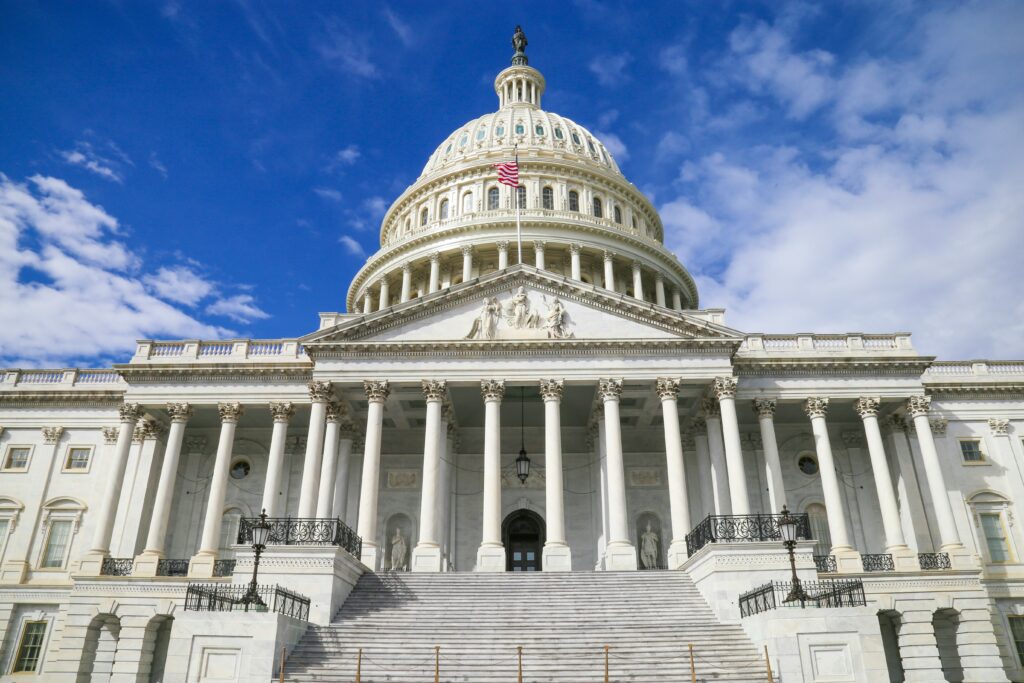
Bipartisan legislation to expand capital access for cannabis businesses is back on Capitol Hill with the reintroduction of the Capital Lending and Investment for Marijuana Businesses (CLIMB) Act. The new bill, H.R. 7987, is sponsored by Republican Rep. Guy Reschenthaler of Pennsylvania and cosponsored by Democratic Rep. Carter Troy of Louisiana, potentially signaling renewed bipartisan interest in addressing the industry’s long-standing financing barriers.
Charlie Alovisetti, an attorney with the corporate group at the cannabis and psychedelics law firm Vicente LLP, says that the reintroduction of the CLIMB Act is “good news whether or not it passes.”
“The fact that lawmakers continue to introduce bipartisan cannabis legislation shows that federal reform is moving,” Alovisetti says in an online interview with IgniteIt. “It may not happen tomorrow, but it is going to happen. It’s just a question of when.”
The full text of the 2026 version has not yet been released, but the measure is expected to track closely with the CLIMB Act introduced in 2022. That bill sought to open the door for cannabis companies to access a broader range of financial services, including the ability to list on major U.S. stock exchanges. It also aimed to protect financial institutions and other capital providers that work with state‑legal cannabis businesses, a step industry advocates have long argued is essential for growth, transparency, and competitiveness.
“One of the biggest problems in cannabis right now is a lack of access to capital,” says Alovisetti. “Allowing companies to uplist on major U.S. exchanges would dramatically increase liquidity and make it far easier for operators to raise money.”
“Right now, U.S. cannabis companies are forced to list in Canada or trade over-the-counter, which limits liquidity and keeps many investors out,” he adds. “A safe harbor for uplisting would be a game changer for the industry.”
Beyond SAFE Banking
While the SAFE Banking Act has historically dominated the conversation around cannabis finance, the CLIMB Act was designed to go further by encouraging investment, supporting community development programs, and reducing the cost of capital for operators that currently rely on high‑interest private lending. The 2022 version also proposed safeguards for ancillary firms and service providers, reflecting the broader economic footprint of the cannabis sector.
“I don’t think the CLIMB Act is going to pass any time soon, to be honest,” says Alviosetti. “The last version didn’t make it out of committee. But the continued effort to introduce bills like this is still a positive sign for the industry.”
Reschenthaler has been one of the more vocal Republican supporters of cannabis‑related financial reform, framing the issue as one of public safety and economic fairness. Troy’s support adds a Democratic partner from a region where cannabis policy has been slower to evolve, underscoring the bill’s bipartisan appeal.
H.R. 7987 has been referred to the House Committee on Financial Services for consideration.

A.J. Herrington
March 19, 2026Cannabis journalist whose reporting on policy, business, science and culture has appeared in Forbes, High Times, Cannabis Now and HEMP.